
Greece tours bring old temples, wild coasts and lively nights within easy reach of every visitor. First-timers, couples, families, friends and solo travelers each find a pace that suits them, from slow museum days to sunny boat trips.
This guide from My Greece Tours walks through the capital, the mainland, the Cyclades and the large islands. Each part shows the best sights, the kinds of tours on offer and the handy extras that make every day easier.
How Can You Get More From Greece Tours In The Capital?
Start with a guided Acropolis morning, then add a boat cruise or cooking class. Athens rewards travelers who mix history, sea and food. Helpful guides such as Greece tours and Tours In Greece share more ideas for every pace.
What are the highlights of the capital?
The Acropolis hill rises above the city, crowned by marble temples. On its southern slope sits the Theatre of Dionysus, where Greek drama was born. The Acropolis Museum nearby keeps original statues, and its glass floors show old ruins below.
The Roman Agora, an old market, sits beside the Tower of the Winds, a weather clock. Stroll past the Arch of Hadrian into the National Garden. The old quarter of Psyrri hums at night, and Cape Sounion glows at sunset.
What Greece tours can you join in the capital?
Private tours with a driver-guide or skipper suit families and friends, since one price covers everyone in the car or boat. Couples and young travelers love boat cruises along the Athens coast, with swim stops in clear blue bays.
Guided walking tours help first-timers and solo travelers learn the old streets fast, with a story at every corner. Food lovers enjoy cooking classes and wine tastings, where friendly hosts share family recipes and wines from nearby hills.
What support do Greece tours in the capital give travelers?
Many boat days around the capital include lunch or a hot BBQ meal, so nobody wastes time hunting for food. Drinks come too, sometimes unlimited, which keeps everyone cool, calm and happy on deck under the strong summer sun.
A licensed or local guide explains each ruin in plain words, so kids and adults stay curious all day. Wine tastings bring a relaxed sip of local life, and swim stops give tired legs a cool, fresh break.
What tips help travelers in the capital?
Visit the Acropolis early in the morning, before the heat and the crowds build. Wear shoes with good grip, since the old marble steps on the hill are smooth and slippery.
Bring a hat, sunscreen and a refillable water bottle for every outing. On spare afternoons, explore the free attractions in Athens, such as shady parks and lively squares.
How Do Visitors Enjoy Greece Tours In The Mainland?
Visitors enjoy the mainland most when they pair famous ruins with wild mountain views. A good guide tells the stories behind every stone and temple. Greece tours here visit sacred hills, cliff monasteries and pretty seaside towns.
What are the highlights of the mainland?
At Delphi, the Temple of Apollo clings to a mountain slope where a priestess, the oracle, once shared advice from the god. The Meteora monasteries sit high on giant rock towers, and the narrow Corinth Canal cuts through solid stone.
Mycenae, home of a legendary king, welcomes visitors through the famous Lion Gate. At the Epidaurus theatre, a whisper on stage reaches the top seats. Nafplio sits below the Palamidi fortress, and Ancient Olympia is where the Olympic Games began.
What Greece tours can you join in the mainland?
Small tours with only a handful of guests suit couples and first-timers who want time to ask questions. Full-day trips from Athens by coach suit budget travelers and anyone who wants to see the big sites quickly.
Guided walking tours suit families and history fans who like a clear story at each site. Independent travelers can buy entry tickets and explore at their own pace. Multi-day tours with hotel nights suit slow travelers who hate planning.
What support do Greece tours in the mainland give travelers?
A licensed or local guide makes broken columns meaningful, with tales of gods, heroes, kings and early athletes. Guides also know the shady paths and quiet corners, which helps families, older travelers and anyone new to Greece.
Many tours include entry tickets, so travelers skip long lines at busy gates. On multi-day trips, hotel nights are booked in advance, which leaves more energy for the sights. Nobody needs to hunt for a bed late at night.
What tips help travelers in the mainland?
Start early at Delphi and Meteora, when the mountain air is cool and the paths are still quiet. Wear modest clothes for the monasteries, with shoulders and knees covered.
Pack a light jacket, a water bottle and snacks for long coach rides between sites. Comfortable sneakers make the rocky climbs at Mycenae and the Palamidi fortress much easier.
How Should You Plan Greece Tours In The Cyclades?
Plan the Cyclades around the sea: pick a base island, then add a boat cruise and a day on a nearby island. Calm mornings suit swimming best. Here, Greece tours blend white villages, sea caves and golden sunsets.
What are the highlights of the Cyclades?
On Santorini, white cliff villages cling to the rim of a volcanic crater. The windmills of Mykonos line a breezy hill above the sea. Nearby Delos was a holy island sanctuary, where old myths say the god Apollo was born.
On Milos, boats slip into sea caves with bright turquoise water. The old town of Naxos climbs a hill to a castle, with tiny lanes and arches. On Paros, the harbour of Naoussa fills with fishing boats and seaside tables.
What Greece tours can you join in the Cyclades?
Families enjoy private tours with a driver-guide or skipper, since one price covers everyone aboard. Friends and couples pick boat cruises with swim stops at sandy coves. Travelers short on time join full-day trips from Athens by coach.
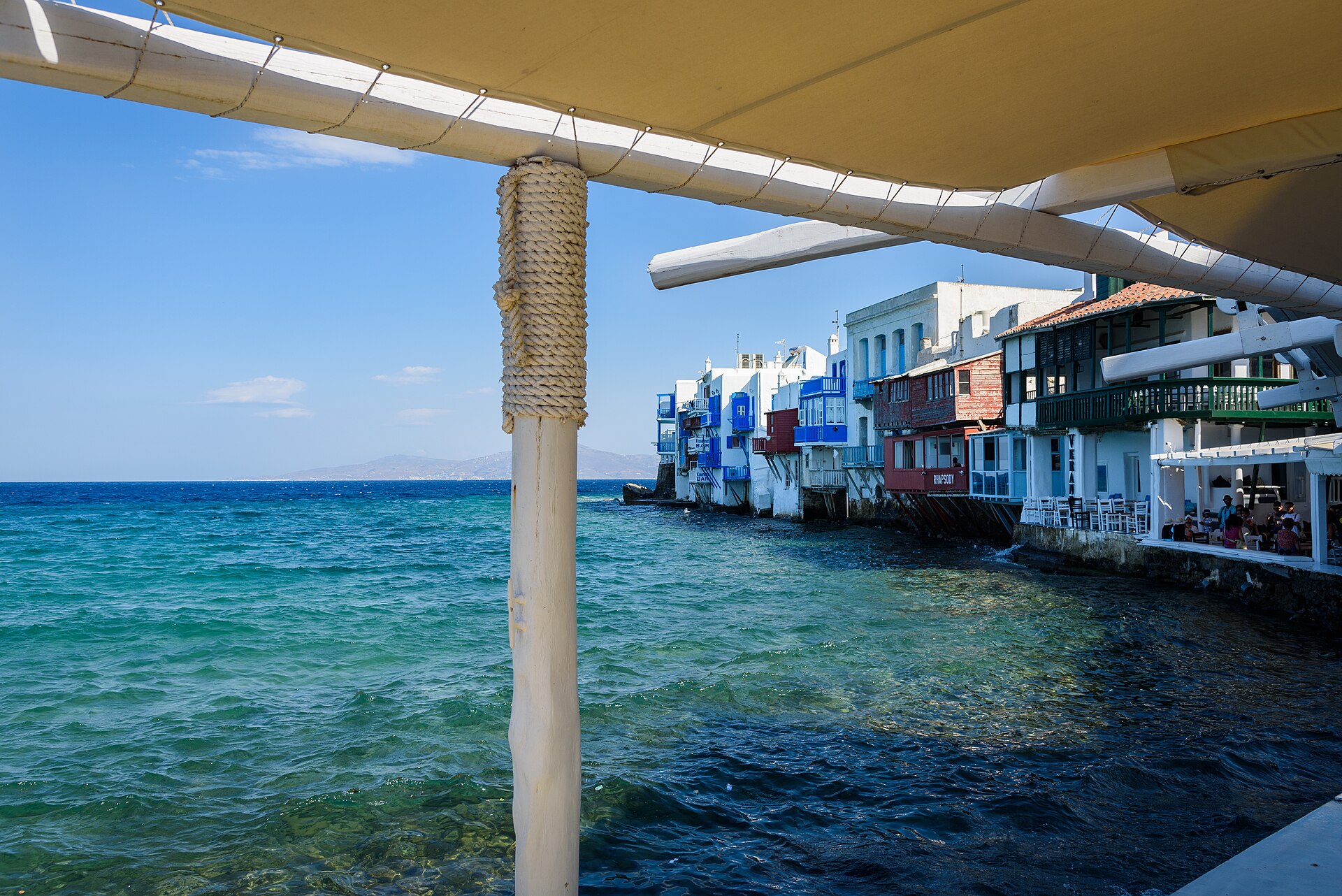
Active teens and curious adults try snorkel and beginner scuba trips, led by patient instructors in shallow, clear water. Food lovers book cooking classes and wine tastings, where hosts pour wines from grapes grown in dark volcanic soil.
What support do Greece tours in the Cyclades give travelers?
Island boat cruises serve lunch or a BBQ meal on deck, plus drinks that are sometimes unlimited. Snorkel gear comes on board, so nobody has to carry a heavy bag from the hotel. Swim stops cool everyone down between sights.
A licensed or local guide shares the myths of Delos and the story of the Santorini volcano. Free time to explore lets travelers shop, swim or rest, and wine tastings end the day on a gentle note.
What tips help travelers in the Cyclades?
Book boat days for the morning, when the sea is calmer and the light is soft. Check the wind forecast before ferry days, since strong summer winds can change plans.
Pack reef-safe sunscreen, a hat, sunglasses and a light cover-up for the boat. Flat sandals with good grip help on the steep, white steps of the village lanes.
Which Greece Tours In The Large Islands Suit Every Traveler?
Boat cruises, walking tours and private drives suit every traveler on Crete, Rhodes, Corfu and Kefalonia. Each island blends old towns with quiet beaches. On these islands, Greece tours range from palace walks to lazy days at sea.
What are the highlights of the large islands?
On Crete, Knossos was the grand palace of the Minoans, an early people who once ruled the seas around the island. Chania charms visitors with its old harbour and lighthouse, and Elafonisi has warm, shallow lagoons with soft pink sand.
Medieval Rhodes town, once home to knights, keeps its strong stone walls. The white village of Lindos tumbles below a hilltop temple. Corfu old town has pastel houses and forts, and on Kefalonia, sunlight turns the Melissani cave lake blue.
What Greece tours can you join in the large islands?
Families like private tours with a driver-guide or skipper, because one price covers everyone. Couples choose boat cruises with swim stops. Newcomers join full-day coach trips, like the ones from Athens, to see the main sights fast.
Guided walking tours suit history fans in Rhodes and Corfu old towns. Solo travelers buy entry tickets to explore Knossos at their own pace. Food lovers join cooking classes and wine tastings in family kitchens and village wineries.
What support do Greece tours in the large islands give travelers?
On a day at sea around Corfu or Crete, lunch or a BBQ meal is served on board. Drinks flow too, sometimes unlimited, and swim stops break up hot afternoons. That keeps kids and adults fed, cool and happy.
A licensed or local guide leads travelers through the Knossos ruins, which look like a maze to first visitors. Entry tickets in hand mean no waiting in the sun, and wine tastings show the rich flavor of island farms.
What tips help travelers in the large islands?
Start Knossos and Lindos early, before the sun gets strong and the paths get busy. Wear light clothes and sandals that grip well on smooth, worn old stone.
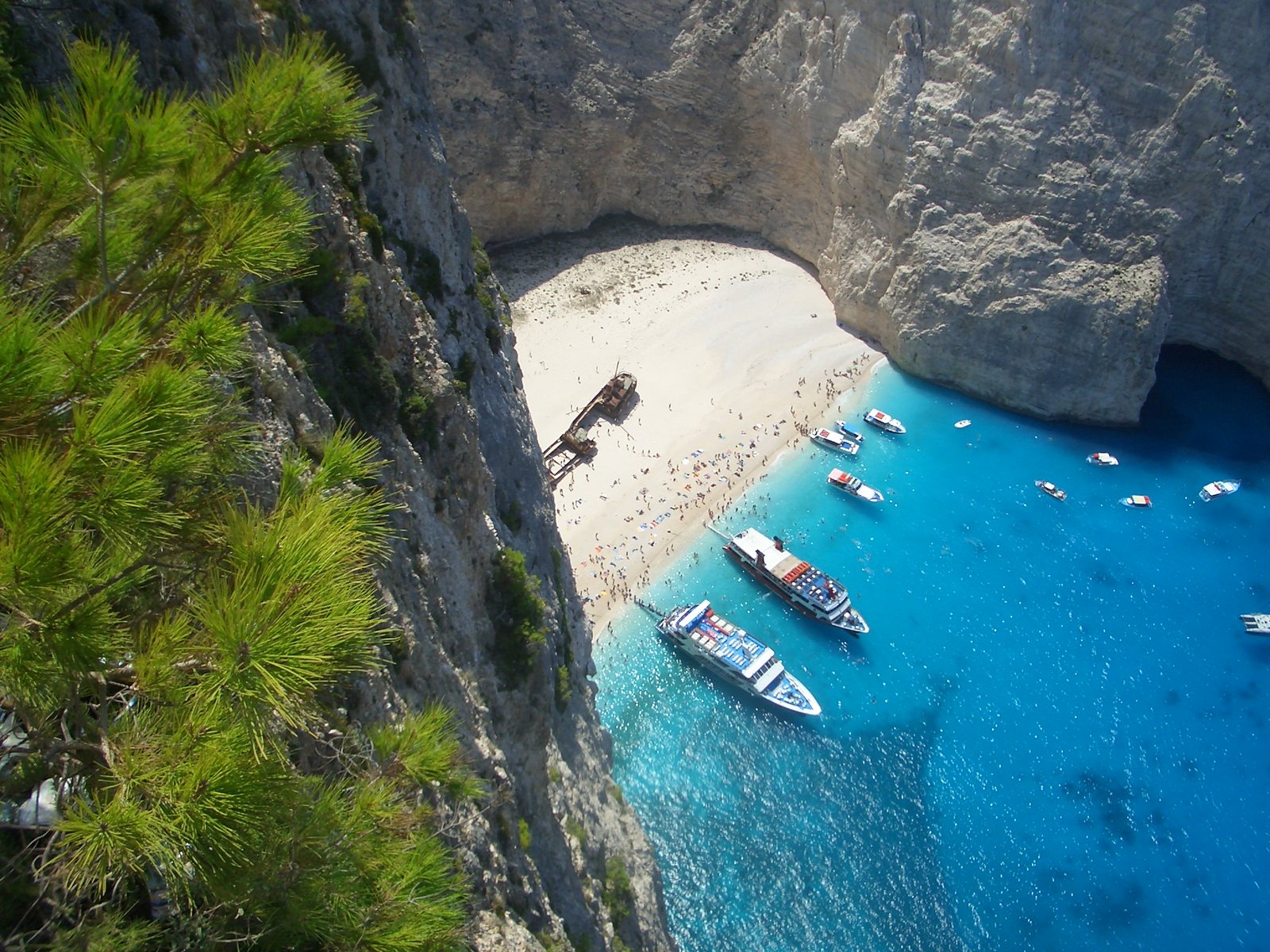
Bring cash for small village shops, plus a towel and swimwear for swim stops. Travelers heading to the Ionian Sea can pair Corfu or Kefalonia with a beach day on Zakynthos.
Conclusion: Best Greece Tours, Planned Well
Greece tours work best when travelers match each region to their own mood and pace. Athens offers ancient wonders, the mainland adds mountains and myths, and the islands deliver sea, food and lively nights. Heritage, nature and nightlife all fit.
Check the best time to visit Greece before booking, then mix guided days with slow, free afternoons. That balance keeps first-timers, couples, families, friends and solo travelers rested, curious and happy. A good plan makes every day shine.
Frequently Asked Questions About Best Greece Tours
How early should you book Greece tours?
Book boat cruises, island trips and private tours a few weeks ahead for the busy summer, when seats sell out fast. In spring and autumn, many tours still have open places just a few days before the start date.
Do Greece tours include lunch?
Many boat cruises and full-day trips include lunch or a BBQ meal, while short walking tours and museum visits do not. Read the tour details for meals, snacks and drinks before booking, so nobody goes hungry on the day.
Can you change Greece tours after booking?
Many tours allow free changes or a full refund up to a set time before the tour begins. Check the terms first, and keep the booking email handy in case weather or ferries shift your travel plans.
Do Greece tours include hotel pickup?
Many full-day trips and private tours include hotel pickup from central areas, which saves time and stress. Walking tours and many boat cruises start at a set meeting point, such as a main square or a busy harbour.
Do Greece tours run in all weather?
Land tours run in light rain and summer heat, but sites sometimes close early on very hot days. Boat cruises stop when strong winds make the sea rough, and most offer a new date or a full refund.
Can Greece tours start from a cruise port?
Yes, many private tours and day trips meet guests right at the port in Piraeus, Santorini, Mykonos, Rhodes or Corfu. They plan the day around the ship schedule, so travelers get safely back on board in good time.
How do you decide between private and shared Greece tours?
Private Greece tours suit travelers who want a flexible pace and personal attention. Shared Greece tours suit visitors who enjoy meeting others and spending less. Both options visit the same famous attractions, so the decision depends on travel style.
What private tours offer
A private tour belongs to one traveling party only, such as a couple, a family or several friends. The guide can slow down, skip a stop or add a relaxing café break.
This style works especially well at large ruins, where a personal guide explains the history at every corner. A practical guide to Greek ruins helps travelers decide which sites deserve that extra attention.
Private Greece tours cost more per person, but families with young children often consider the freedom worth it. Nap times and snack stops fit naturally into the schedule.
Couples also love the quiet feel of a private day together. Every question gets a full answer, and photo stops happen whenever the view looks perfect.
What shared tours offer
Shared tours combine travelers from different countries on one coach, boat or walking route. Solo travelers enjoy the friendly company, and the cost per person stays lower.
The program is fixed, so the day follows a set route and a careful timetable. Popular excursions, like visits to the top Greek mythology sites, operate often and fill quickly in summer.
First-time visitors gain a lot from shared excursions, especially at the start of a holiday. They learn the basics, meet other travelers and later plan more independent days.
Shared Greece tours also remove the hard parts of local transport. Tickets, timing and driving are all handled, so visitors simply relax and enjoy the day.
Why do guided Greece tours help?
Guided Greece tours help because an experienced guide turns ancient stones into living stories. Visitors understand what they see and avoid the stress of finding their way. In crowded places, that saves valuable time.
Stories that make the past clear
Many old Greek sites look like piles of broken columns at first glance. A guide explains the purpose of each building, like a temple, which ancient Greeks built as a home for a god.
Greek myths become exciting and real in the same way. A guide can connect a quiet hilltop to the legends behind Greek historical sites, so children and adults remember the story.
Only state-licensed guides may lead guided visits inside Greek archaeological sites and museums. That official rule keeps the information on guided Greece tours accurate and reliable.
Tastes and local know-how
Good guides also know the food and drink of every region. On a wine excursion, they describe the popular wine regions in Greece and the local grapes that grow there.
Food walks work in a similar way. A guide leads visitors through busy Greek food markets, explains each stall and invites everyone to taste olives, cheese and honey.
How do you plan rest around Greece tours?
Plan rest around Greece tours by leaving a free day after every few busy days. Shorter excursions, relaxed lunches and early nights keep energy high for everyone. Tired travelers notice less of what they see.
Mix long days with short ones
A full day of ruins, boats and buses tires out almost anyone. After a long excursion, the following day works best as a slow beach day or a relaxing café morning.
Short day trips from Athens create a comfortable balance for most travelers. Visitors explore a famous site in the morning and return to rest during the afternoon.
Families with small children benefit the most from this gentle rhythm. Kids stay cheerful when every busy outing is followed by swimming, games or quiet time.
Rest also means unplanned time. Greece tours feel fresher when travelers keep several evenings free for a slow walk and a long, relaxed dinner.
Use travel days as rest days
Moving between places takes time, so a travel day rarely suits a demanding tour. Island crossings offer a peaceful chance to sit back and watch the open sea.
Plan island tours from Athens with a calm day on each side. A guide on travel between Greek islands explains which ferries are slower and which are faster.
Slow trains and scenic roads also feel very restful. The best scenic train rides and quiet scenic drives in mainland Greece turn travel time into sightseeing time.
Summer heat matters as well, so Greece tours in the hottest months include a long shady break during the afternoon.
How do you find the meeting point for Greece tours?
Find the meeting point for Greece tours by reading the booking email, checking the map pin and arriving early. The email names a clear landmark and a contact number. A little preparation removes the morning rush.
Check the details the night before
Meeting points are usually near squares, metro stations, hotels or port entrances. The booking email describes the exact spot and what the guide will hold or wear.
Travelers should save the address offline and study it on a map the night before. Greek ports are often huge, so finding the right gate matters a lot.
For Greece tours with hotel pickup, the pickup spot is often the hotel door or the nearest main road. Narrow streets in historic towns block large coaches.
On island Greece tours, boats depart from a specific pier. Walking to the wrong pier is a common mistake, so a quick check the evening before saves the whole day.
Arrive early and travel light
Arriving early gives travelers time to find the guide, buy a coffee and use a restroom. Late arrivals can miss the entire excursion, since buses and boats leave on schedule.
A short checklist helps on the morning of every excursion:
- A charged phone with the booking saved offline
- The guide’s name and contact number
- Photo ID and a little cash
- Water, a hat and sunscreen
- Comfortable shoes for uneven ground
Travelers who care about the planet can walk or take the metro to the meeting point. Advice on sustainable travel in Greece suggests other simple ways to explore with less impact.
Which Greece tours are best in the early morning?
Early morning Greece tours work best for famous ruins, nature walks and photography. The air is cool, the light is soft and the big crowds have not arrived yet. Starting early also leaves the afternoon free.
Ancient sites at opening time
The Acropolis in Athens is calmest at opening time, before cruise visitors and coaches fill the paths. Tips on avoiding crowds at the Acropolis show how timing changes the whole visit.
Early slots sell out in busy months, so buying Acropolis tickets in advance secures a calm morning visit. Couples, families and solo travelers all gain from that small step.
Early Greece tours to other big sites, like Delphi and Olympia, feel peaceful too. Cool temperatures make the steep paths much easier for children and older visitors.
Morning Greece tours of ancient sites often finish before lunch. That timing leaves the hottest hours for a long meal, a nap or a swim.
Nature walks and quiet trails
Mountain paths, gorges and wetlands are best explored at sunrise, when birds and animals are most active. The best nature reserves in Greece reward visitors who arrive early.
Early walking tours across Greece also suit old town streets. Bakeries open, locals sweep their doorsteps, and the narrow alleys stay shady and cool for hours.
Monasteries are also calm in the morning, when monks and nuns welcome quiet visitors. A guide on how to visit Greek monasteries explains the dress rules and the respectful behavior expected.
Which Greece tours are best at midday?
Midday Greece tours work best on the water or indoors. Boat trips, swimming stops, museums and cooking classes keep travelers cool while the sun is strongest. Shade and sea breezes make a big difference.
Boat trips and swimming stops
Boat days are a classic midday choice, since sea breezes cool the deck and swimming stops break up the heat. Families enjoy jumping into clear bays straight from the boat.
Snorkeling at midday is also rewarding, because the bright sun lights up fish and rocks in calm, clear bays.
Many coastal Greece tours pause for a long lunch at a seaside tavern. Fresh fish, salads and cold drinks turn the hottest hours into a highlight.
Quiet coves and small islands feel even better at this hour. A list of hidden gems off the beaten path points travelers toward calmer beaches and villages.
Museums, food and indoor visits
Museums offer cool rooms and the chance to see the statues, pottery and jewelry found at the ruins. Indoor Greece tours at midday give tired legs a rest.
Big city museums, like the Acropolis Museum in Athens, make classic midday stops. Their glass floors and bright halls show finds from the nearby ruins.
Cooking classes and food tastings also fill the middle of the day well, away from the strong sun. Travelers learn simple Greek dishes, then sit down together to enjoy the meal.
A few simple habits make midday outings more comfortable:
- Pick tours with plenty of shade
- Carry water and refill it often
- Wear a hat, sunglasses and sunscreen
- Plan indoor stops between outdoor visits
- Rest in the shade after lunch
Which Greece tours are best at sunset?
Sunset Greece tours work best at coastal temples, island cliffs and hilltop viewpoints. The golden light turns white houses and ancient stones warm and bright. These evenings often become the favorite memory of a trip.
Temples and viewpoints
Cape Sounion, south of Athens, has a temple for Poseidon, the Greek god of the sea. Its marble columns glow at sunset above the open water.
Evening Greece tours to Sounion follow the coast road, so the drive itself is part of the fun. Couples and families both love the calm, wide views.
In Athens, hills like Lycabettus and Filopappou give wide sunset views, with the Acropolis glowing above the rooftops.
Photographers arrive a little early to find a good spot, and a light jacket helps once the cliff wind turns cool.
Island sunsets and sailing
Santorini is famous for its sunsets over the flooded volcano crater. Sunset sailing trips let travelers watch the sky change from the water, away from crowded viewpoints.
Other islands, such as Milos and Paros, offer quieter sunset spots by the sea. Small harbors and beach bars give relaxed views without the big crowds.
Sunset Greece tours sell out quickly in summer, so booking ahead pays off. Private tours in Greece can also time the outing around the best light.
Sunset also matters during festivals, and learning about Greek holiday customs and traditions helps travelers plan evenings around feasts and music.
Which Greece tours are best after dark?
After-dark Greece tours work best for food walks, open-air cinemas, night views and live music. Warm evenings bring towns and villages to life long after sunset. Greeks eat dinner late, so nights feel lively.
Food walks and evening strolls
Night food walks visit tavernas, bakeries and street stalls when locals come out to eat. Travelers taste grilled meat, fresh pies and sweet honey doughnuts called loukoumades.
Evening walks also show a different side of old towns. Lit-up ruins, busy squares and quiet harbors create a magical mood for couples and friends.
Night Greece tours on foot cost little, and many visitors simply follow a guide through lit streets. Budget tips for Greece visitors show other ways to enjoy evenings for less.
Music, stars and late nights
Open-air cinemas, live Greek music and summer theater shows fill many evenings in season. Evening Greece tours to ancient theaters let visitors watch plays and concerts under the stars.
Stargazing tours also work well away from city lights, especially in mountain villages and on quiet islands. Clear summer skies show bright stars and the Milky Way.
Families with children can choose short evening walks that finish early. Authentic tours in Greece mix local food, stories and music at a relaxed pace.
For a calmer night, travelers can return to a peaceful place to sleep. Eco-friendly accommodations in Greece often sit near dark skies and quiet nature.
Which places do Greece tours visit?
Greece tours visit famous islands, ancient mainland sites and large islands with their own culture. Most trips mix sea views, old ruins and village life in one journey. The best plan depends on season, budget and travel style.
Islands
The Cyclades islands in the Aegean Sea are the classic picture of Greece, with white houses and bright blue water. Regular ferries link most of them in summer.
- Santorini: white cliff villages, blue domes and sunsets over a volcano
- Naxos: sandy beaches, mountain villages and a giant marble temple doorway
- Paros: fishing harbors, whitewashed lanes and calm beaches for families
- Milos: colorful volcanic rocks, sea caves and white moon-like beaches
- Ios: golden beaches, lively nightlife and a hilltop village with windmills
Mainland
Mainland Greece tours focus on history, from the Acropolis to mountain monasteries. Many of the top sites sit within easy reach of Athens by road.
- Athens: the Acropolis, the Parthenon temple and lively old neighborhoods
- Delphi: the ancient holy site where a priestess spoke for Apollo
- Meteora: monasteries perched on top of tall, dramatic rock towers
- Mycenae: a very old royal fortress with the famous Lion Gate
- Epidaurus: an ancient theater famous for its clear, perfect sound
Large islands
The large islands feel like small countries, with mountains, busy towns and long coastlines. They suit travelers who want several relaxed days in one place.
- Crete: the Palace of Knossos, deep gorges and rich village food
- Rhodes: a walled old town built in the age of knights
- Corfu: green hills, old sea forts and elegant streets in town
- Kefalonia: turquoise bays, sea caves and a hidden underground lake
How do you plan Greece tours over six days?
Plan Greece tours over six days with two days in Athens, two on the mainland and two on an island. This mix shows history, mountains and sea in one easy trip. Short transfers keep the trip relaxed.
Days one and two: Athens
Most Greece tours start in Athens, since the main airport and the largest port are close to the city. Day one covers the Acropolis, its museum and the old streets of Plaka.
Day two can include the Ancient Agora, the old market and meeting place of the city, plus a food market. Families enjoy the changing of the guard at Syntagma Square.
The evenings suit slow dinners with a view of the lit-up Parthenon. A sample seven-day Greece itinerary shows how to stretch this plan with one extra island day.
Couples and friends can end day two at a rooftop café or an open-air cinema. Families with children often prefer an early dinner near their hotel.
Days three and four: Delphi and Meteora
Day three heads to Delphi, where ancient Greeks climbed a steep mountain slope to ask the gods for advice. The drive passes olive groves, small towns and wide valleys.
Day four continues to Meteora, where monasteries sit on rock towers high above the plain. Sunset there is one of the most striking sights on mainland Greece tours.
Travelers who prefer freedom can rent a car and follow tips on self-guided itinerary planning. Others book a guided trip that handles all the driving.
Monastery visits need covered shoulders and knees, so a light scarf helps. The drive back to Athens fills most of the following morning.
Days five and six: an island escape
Day five takes a ferry or short flight to an island such as Paros, Naxos or Santorini. Paros and Naxos suit families, while Santorini suits couples chasing sunsets.
Day six is for beaches, a boat trip or a village walk before the journey home. A guide to Greek island hopping helps travelers add a second island next time.
Island Greece tours work best with an early ferry, which leaves a full afternoon for swimming. Booking ferry seats ahead matters most in summer.
Solo travelers find the islands easy to explore, with friendly cafés, local buses and simple walking paths between villages.
More questions about Greece tours
Most practical questions about Greece tours have clear and simple answers. They cover leaving early, shade, toddlers, shopping time, clothing and drinking water.
Can you leave Greece tours early?
Yes, travelers can leave early, but the missed part is rarely refunded, and the guide needs to know first. On boats and remote day trips, an early exit is hard, so checking the route before booking helps.
Do boats on Greece tours have shade?
Most larger boats have a covered deck or a sun canopy, while small speedboats and kayaks offer little or no shade. Checking the boat type before booking matters on hot summer days. A hat and sunscreen help anyway.
Do Greece tours welcome toddlers?
Many day trips welcome toddlers, from boat trips to easy walks, but long hikes and late tours suit them less. A baby carrier works better than a stroller, since ancient sites have uneven ground and steps.
Do Greece tours give time for shopping?
Most day trips include free time in a town or village for buying local crafts, olive oil, honey or sweets. Private tours can add longer shopping stops on request. Small family shops often sell the best handmade goods.
What should you wear on Greece tours?
Travelers should wear light clothes, comfortable walking shoes with good grip, a hat and sunglasses. Ancient marble paths turn slippery, so flip-flops are a poor choice. Churches and monasteries require covered shoulders and knees.
Do Greece tours provide water?
Many day trips and boat tours provide bottled water, but travelers should still carry a refillable bottle on hot days. Shops and cafés in every town make buying more water easy. Children need extra water in the summer heat.
See more in Ydravlikosvoulavari: